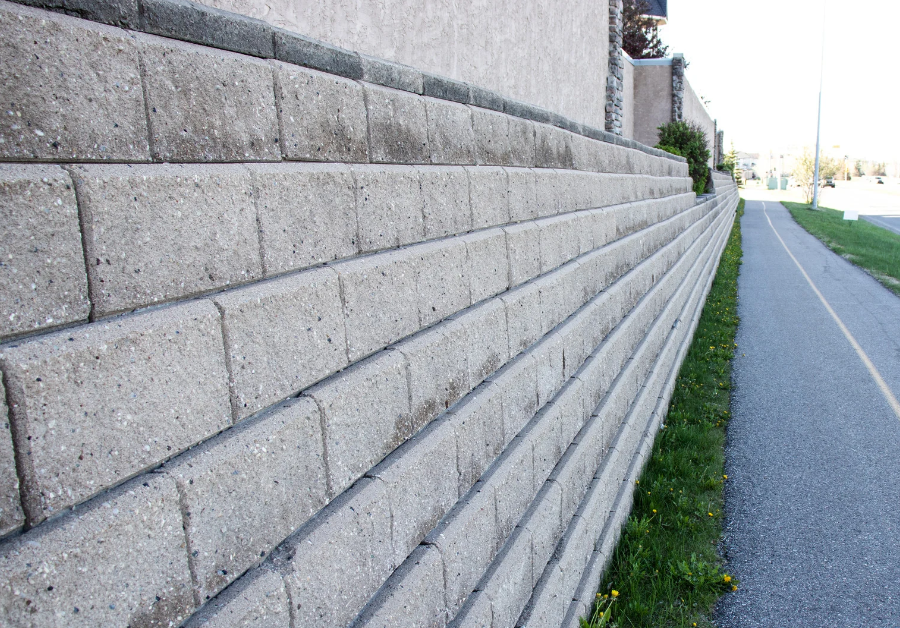
Retaining walls do more than hold back soil. They stabilize slopes, protect structures, manage changes in elevation, and create usable space for residential and commercial properties. But a retaining wall is only as reliable as its design, foundation, drainage, and construction.
Without a proper understanding of the soil conditions and forces acting on the wall, even an attractive, well-built structure can experience cracking, movement, settlement, or catastrophic failure. That’s why hiring a qualified geotechnical engineering firm to evaluate, design, and oversee retaining wall construction is essential to protecting your property and investment.
Understanding the Ground Beneath the Wall
Soil conditions can vary significantly across a property. Soil composition, density, moisture content, groundwater, and the presence of uncontrolled fill can all affect a retaining wall’s stability.
A geotechnical engineering firm evaluates these conditions through appropriate subsurface exploration, soil testing, and engineering analysis. The findings help determine foundation requirements, soil bearing capacity, potential settlement, and other factors that influence the wall’s performance.
Identifying potential problems before construction begins allows the design team to address unfavorable conditions early, helping avoid costly surprises and future repairs.
Designing for Stability and Drainage
Retaining walls must resist more than the weight of the soil behind them. Nearby buildings, driveways, parking areas, slopes, and other loads can increase the forces acting on the structure.
Professional engineering evaluates critical factors such as sliding, overturning, bearing capacity, settlement, and overall slope stability, as appropriate for the project. Water management is equally important. When water accumulates behind a wall, increased hydrostatic pressure can contribute to movement or failure.
Proper drainage provisions, foundation preparation, and backfill specifications are essential components of a reliable retaining wall system. Depending on the wall type and site conditions, geotechnical and structural engineering professionals may need to work together to develop a complete design.
Why Construction Oversight Matters
Even a well-designed retaining wall can fail if construction does not follow the plans and specifications.
Geotechnical construction observation can help verify that foundation soils are suitable, unsuitable materials are properly addressed, and backfill is placed and compacted according to project requirements. Drainage components must also be installed correctly to function as intended.
Identifying problems during excavation or backfilling allows corrections to be made before the work is concealed. This proactive approach can reduce construction delays, minimize rework, and help ensure that the completed wall reflects the engineering design.
Preventing Costly Failures
Retaining wall problems can lead to much more than the expense of rebuilding the wall. Repairs may involve damaged landscaping, pavement, utilities, nearby structures, or unstable slopes. Wall failures can also create significant safety hazards.
Investing in professional engineering services helps identify site-specific risks and reduce the likelihood of preventable problems. While no design can eliminate every risk, a properly investigated, engineered, and constructed retaining wall is better equipped to perform as intended over time.
Involving qualified professionals early can also help clarify permitting requirements, coordinate the project team, and avoid expensive design changes after construction begins.
Build with Confidence. Start with Geotechnical Engineering.
A retaining wall should never be treated as simply a structure built against a slope. Soil conditions, groundwater, loading, drainage, and construction quality all influence its long-term performance.
At GeoWerks Engineering, we understand that successful construction starts with understanding the ground beneath it. Our geotechnical engineering expertise helps property owners, developers, and contractors make informed decisions about site conditions and retaining wall performance.
Whether your project involves residential landscaping, commercial development, or challenging site grades, professional engineering is a critical step toward a safe, durable, and dependable retaining wall.
When the stability of your property is at stake, engineering isn’t an optional extra—it’s an essential part of building it right.